Dry Storage in Dammam: 7 Wins for Wholesalers 2026
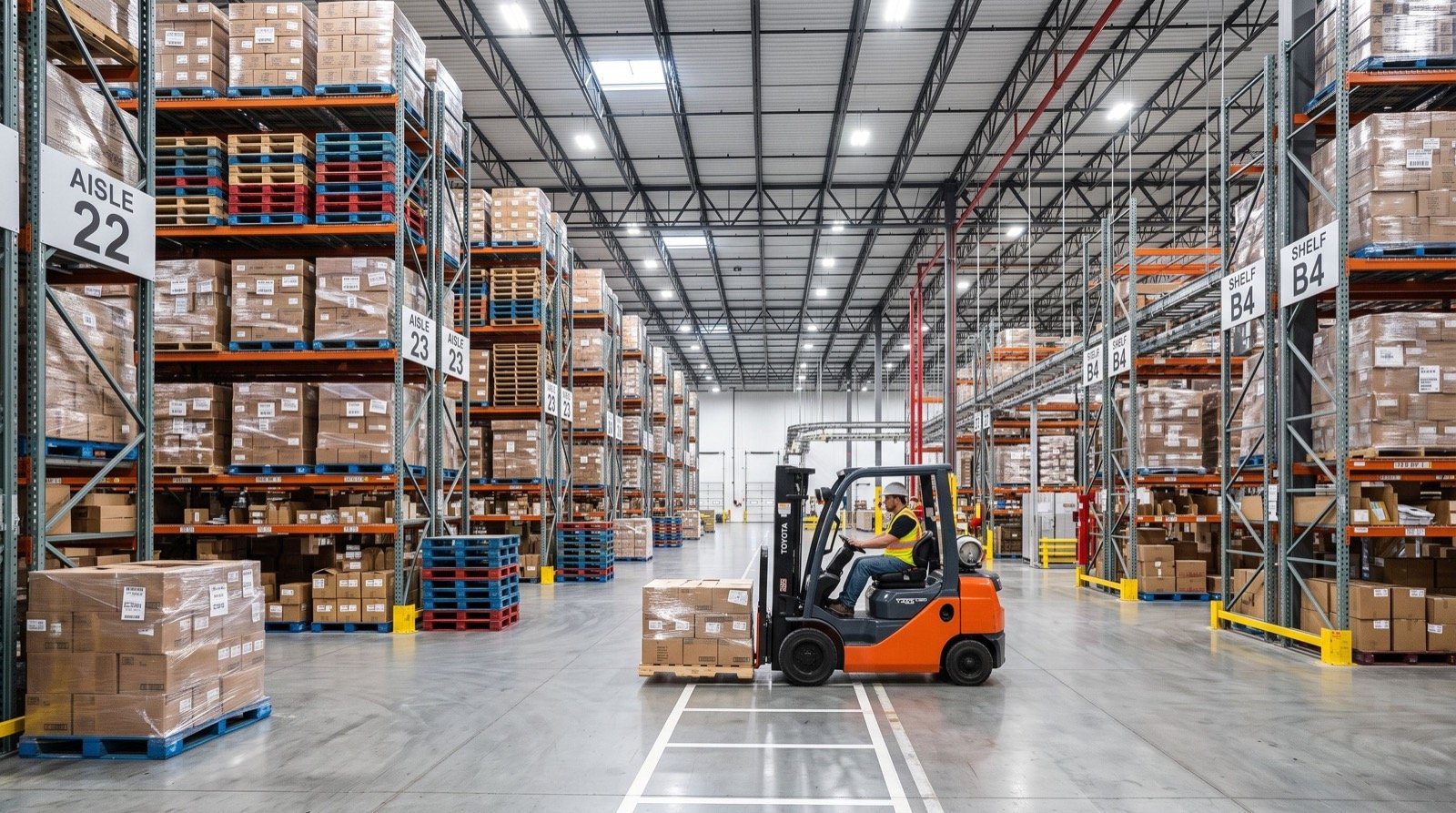
Dry storage in Dammam quietly powers the Eastern Province’s wholesale and retail engine. Every carton of canned goods, every pallet of packaged snacks, and every case of household products passes through a warehouse before it reaches a shop shelf. For distributors working on thin margins and tight delivery windows, the right dry storage setup is the difference between healthy stock turns and money tied up in spoiled or misplaced goods.
This guide lays out seven practical wins that dry storage delivers for wholesalers and retailers, and how to choose a facility built for Dammam’s climate and port-driven trade in 2026.
What Dry Storage Means for Non-Perishable Goods
Dry storage keeps shelf-stable products in a clean, ventilated, humidity-controlled space, usually around 18C to 25C. It is the workhorse of any distribution business because most of what a wholesaler moves does not need refrigeration; it needs protection from heat, damp, dust, and pests.
In Dammam, that protection matters more than newcomers expect. Coastal humidity swells cartons and rusts cans, while summer heat degrades adhesives and packaging. A purpose-built facility fights both, so goods leave in the same condition they arrived.
Why Dammam Is a Distribution Sweet Spot
Dammam sits at the heart of the Eastern Province, beside the Kingdom’s key Gulf ports and within easy reach of the Bahrain causeway. That location shortens the journey from ship to shelf and makes the city a natural consolidation point for imported inventory heading across the region.
Choosing well-run Dry Storage In Dammam near the port trims transport cost and cuts the hours goods spend in transit heat. For distributors serving Riyadh, Jubail, and the wider Gulf, a Dammam base often beats storing further inland.
Seven Wins Dry Storage Delivers
- Lower spoilage: Stable humidity keeps cartons firm and cans rust-free.
- Faster order picking: Organized racking speeds fulfillment and cuts labor.
- Better cash flow: Accurate stock counts prevent over-ordering and dead stock.
- Scalable space: Rent more or less as seasonal demand shifts.
- Pest protection: Sealed, monitored buildings keep goods clean and sellable.
- Security: Controlled access and cameras protect high-value cases.
- Port proximity: Shorter transit from the docks means fewer damaged loads.
Distributors who work with reputable service experts capture these wins without hiring and managing their own warehouse team, which frees capital for buying stock instead of running a building.
Matching Storage Type to Your Catalogue
Wholesalers rarely sell one kind of product, so a smart storage plan mixes zones. The table below shows how a typical catalogue splits.
| Product Group | Storage Type | Why |
|---|---|---|
| Canned and packaged food | Dry | Shelf-stable, heat-sensitive packaging |
| Cleaning and household goods | Dry | Non-perishable, needs pest control |
| Beverages | Dry or chilled | Depends on product and demand |
| Dairy and frozen lines | Cold | Strict temperature rules |
A provider offering flexible Storage for Wholesalers and Retailers lets you keep your whole range under one roof, so you consolidate deliveries and simplify your paperwork.
How Can Wholesalers Cut Storage Costs Without Cutting Corners?
Start by turning stock faster. Slow-moving inventory eats space and cash, so track sell-through per SKU and trim the laggards. Every square meter freed is a square meter you are not paying to heat, cool, or guard.
Next, negotiate flexible terms that flex with your season. Ramadan, back-to-school, and national holidays all spike demand, and a rigid annual lease forces you to pay for peak space year-round. Finally, consolidate suppliers into fewer, fuller deliveries to reduce receiving labor and handling damage.
An Original Tip for Tight Inventory
Run a quick weekly “aisle walk” with a barcode scanner and compare the shelf count to your system count on your top twenty SKUs only. Focusing on the fast movers catches the errors that actually cost money, and it takes fifteen minutes rather than a full stock-take. Most distributors find that this small habit prevents the phantom shortages that trigger costly rush orders.
Compliance and Food Safety in 2026
Even shelf-stable food carries storage obligations in the Kingdom. Regulators expect clean facilities, pest control, and traceable batches so any recall can be handled fast. Aligning your warehouse with national rules protects both your license and your buyers’ trust. Review the current requirements at the Saudi Food and Drug Authority.
Efficient logistics also sit at the center of Saudi economic policy in 2026, with the country investing heavily to become a regional trade hub. You can read those goals on the official Saudi Vision 2030 portal, which frames why port-adjacent storage keeps gaining value.
Technology That Sharpens Dry Storage
Modern dry storage is as much about data as about shelving. The distributors who win in 2026 pair a clean warehouse with software that tells them exactly what they hold and where.
A warehouse management system is the foundation. It tracks every pallet by location, flags slow movers, and guides pickers along the fastest route, cutting labor and mistakes at the same time. Even a modest system pays for itself by shrinking the errors that trigger emergency reorders.
Barcode and RFID scanning remove guesswork from receiving and dispatch. A quick scan confirms the right case is leaving on the right truck, which protects your fulfillment accuracy and your customer relationships.
Simple environmental sensors add another layer of protection. Placed around the facility, they log temperature and humidity around the clock and alert staff if a zone drifts, so you catch a failing dehumidifier before it swells a whole aisle of cartons. Together these tools turn a passive storeroom into an active, self-checking asset.
Frequently Asked Questions
What is the ideal temperature for dry storage in Dammam?
Dry storage usually holds 18C to 25C with controlled humidity. That range keeps packaged food, household goods, and beverages stable while avoiding the cost of refrigeration.
Is dry storage suitable for imported goods arriving by sea?
Yes. Dammam’s proximity to Gulf ports makes it ideal for consolidating imports. Storing near the docks shortens transit, reduces heat exposure, and speeds distribution across the region.
How does dry storage protect goods from humidity?
Quality facilities use sealed construction, ventilation, and dehumidification to hold moisture steady. That prevents carton swelling, can rust, and label damage common in coastal climates.
Can I scale storage space up and down by season?
Most modern providers offer flexible terms. You can add space for peak seasons like Ramadan and release it afterward, so you only pay for what your inventory actually needs.
Conclusion
Reliable dry storage in Dammam gives wholesalers and retailers lower spoilage, faster fulfillment, and healthier cash flow, all from a port-adjacent base built for the coastal climate. Match your catalogue to the right zones, keep stock turning, and choose a flexible partner that respects humidity control and food-safety rules. Set that foundation in 2026 and your distribution business will move goods from ship to shelf faster, cheaper, and with far fewer surprises.